
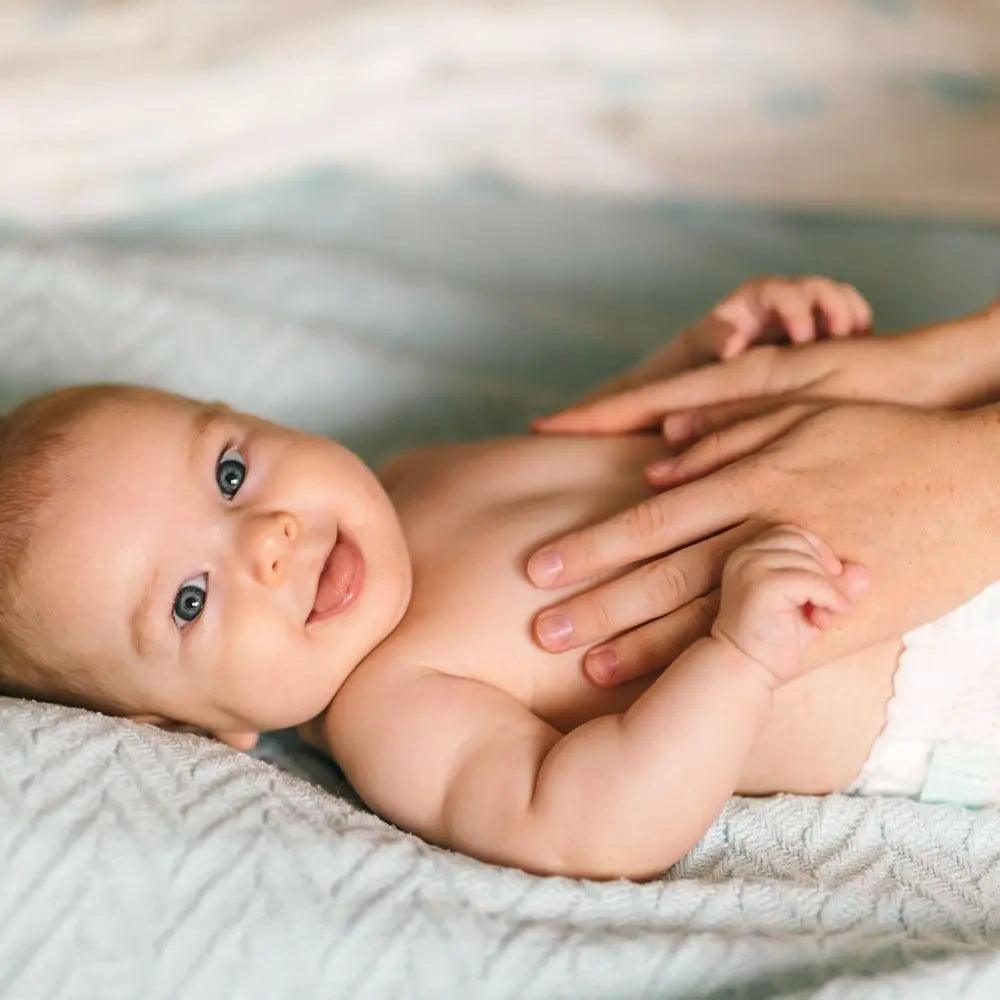
What is baby massage?
Discover the Power of Baby Massage: Benefits, Science and Origin of Shantala by Neonatology Nurse Danielle Kempers
Baby massage is more than just a relaxing activity; it's a powerful way to strengthen the bond between parent and child.
 In this article, we delve into the world of Baby Massage and discover the profound benefits, science behind it, and rich origins of Shantala, as revealed by neonatal nurse Danielle Kempers.
Did you know that this ancient technique not only helps improve sleep and relieve colic , but also has a positive impact on your baby's emotional development ?
Whether you're an experienced parent or new to your little one, the insights you gain here can help you create a healthy and loving environment.
Get ready to discover the transformative power of baby massage and give your baby the love and attention he or she deserves.
What is baby massage?
Baby massage is an age-old practice practiced worldwide that focuses on gently massaging babies' skin. This form of massage is not only intended for relaxation but also has numerous health benefits .
It doesn't involve deep pressure like adult massage, but rather light and rhythmic movements specifically adapted to a baby's fragile body. By using gentle touch, baby massage can help calm the baby, improve sleep, and relieve discomfort such as colic.
Baby massage techniques require patience and attention from the parent or caregiver. It's about creating a calm and loving environment where the baby feels safe and secure.
Baby massage is an intimate moment that strengthens the bond between parent and child and fosters a sense of trust and security . It's a time when the parent is fully focused on the baby's well-being, which can have a profound impact on the child's emotional development.
In addition, baby massage is an excellent way to better understand your baby's body language. Every movement and sound your baby makes during the massage can provide insight into their needs and feelings. This heightened awareness helps parents respond better to their baby and form a stronger bond.
Baby massage is therefore not only a physical experience, but also an emotional and psychological connection between parent and child.

The origin of Shantala
Shantala baby massage originated in India, where it was an integral part of traditional child-rearing practices. This form of baby massage was introduced to the Western world by the French physician Dr. Frédérick Leboyer, who discovered it during his travels in India. He was fascinated by the way Indian mothers massaged their babies and saw the positive effects it had on the children's health and well-being. Dr. Leboyer decided to bring this technique to the West and named it Shantala, after an Indian woman he met whose skills in baby massage inspired him.
Shantala baby massage is based on ancient techniques passed down through generations. It consists of a series of rhythmic movements carefully designed to support the baby's natural development. These movements include light caresses , gentle pressure , and the use of oils to nourish and protect the skin. The techniques are easy to learn and can be practiced by parents at home to create a deep bond with their baby.
The spread of Shantala baby massage to the West has led to renewed interest in traditional medicine and natural parenting methods. It emphasizes the importance of physical contact and emotional connection in early childhood.
Neonatal nurse Danielle Kempers has further studied and adapted these techniques to make them more accessible to modern parents. Her insights and experience have helped Shantala baby massage become a prominent part of infant care.
The Benefits of Baby Massage for Babies
Baby massage offers a wide range of benefits for babies , both physically and emotionally. One of the most notable benefits is its ability to improve sleep quality . The gentle touch and sense of security that baby massage provides can help babies relax and fall asleep more easily . This is especially helpful for babies who have difficulty sleeping or who wake frequently during the night. Regular baby massage can help develop healthy sleep patterns, which are essential for a child's growth and development.
In addition, baby massage helps relieve colic and other digestive problems. The rhythmic movements and gentle pressure on the abdomen can help stimulate digestion and reduce discomfort. Many parents find that their babies have less colic and gas after massage. This can not only help the baby feel better but also relieve parents from the stress that comes with a crying and uncomfortable baby.
Emotionally, baby massage promotes a sense of safety and security. The physical touch and attention given during massage help build a strong emotional bond between parent and child. This sense of connection is crucial for the baby's emotional development. Research has shown that babies who receive regular massage are often calmer and happier. They show fewer signs of stress and anxiety, which promotes their overall well-being.
The Benefits of Baby Massage for Parents
Baby massage offers benefits not only for babies, but also for parents. It's a wonderful way for parents to be more involved in their baby's daily care. By dedicating time to baby massage, parents can build a deeper bond with their child and create a sense of closeness and trust. This intimate moment helps parents better understand their baby's needs and how to respond.
For many parents, baby massage is also an effective way to reduce stress . Caring for a baby on a daily basis can be overwhelming, especially for new parents who are still adjusting to their new roles. Baby massage offers a calm and relaxing environment where parents can escape the hustle and bustle of everyday life. The process of massaging their baby can have a calming effect and help them feel more relaxed and focused.
In addition, baby massage offers parents the opportunity to develop practical skills that help them care for their baby. Learning the correct techniques and understanding their baby's reactions can give parents more confidence in their role as caregiver. This increased self-confidence is essential for creating a positive and supportive environment for the baby. Baby massage is therefore not just a physical activity but also a valuable learning experience for parents.
The science behind baby massage
The science behind baby massage is based on several physiological and psychological principles that explain its positive effects. One of the most important factors is the release of oxytocin , a hormone often referred to as the "love hormone." Oxytocin plays a crucial role in fostering feelings of connection and trust. During baby massage, oxytocin is released in both the baby and the parent, helping to strengthen their emotional bond.
In addition, baby massage stimulates the production of endorphins , known for their pain-relieving and relaxing properties. Endorphins help reduce stress and anxiety, which is essential for both the baby's physical and emotional well-being. The light pressure and rhythmic movements of the massage also help improve blood circulation and stimulate lymphatic drainage, which helps remove toxins from the baby's body.
Baby massage also has a positive effect on babies' brain development . The touch and movement stimulate nerve endings and promote brain development. Research has shown that babies who receive regular massage often show improved motor development and enhanced cognitive function. These benefits are due to the strengthened neural connections stimulated by the massage.
How baby massage promotes bonding
Attachment is a fundamental aspect of a child's early development, and baby massage plays a crucial role in this process. The physical touch and attention given during massage create a strong emotional bond between parent and child. This bond is based on trust, safety, and security, which are essential for the baby's healthy development. Baby massage helps create a safe environment where the baby feels loved and protected.
During baby massage, the parent is fully focused on the baby's needs and responses. This attentive presence helps build a sense of trust and safety. The baby learns that their needs are acknowledged and met, which promotes a sense of security and emotional stability . This sense of connection and trust is essential for the development of a secure attachment style, which is important for the child's later emotional and social development.
In addition, baby massage helps promote nonverbal communication between parent and child. Through the touch and movements during massage, the parent can better understand what the baby needs and how they feel. This increased sensitivity to the baby's signals helps build a strong emotional bond and foster a sense of closeness and connection. Baby massage is therefore a powerful tool for fostering a healthy bond between parent and child.
Practical tips for giving a baby massage
Giving a baby massage requires patience, attention , and proper techniques . Here are some practical tips to help you start a successful baby massage. First, it's important to create a calm and comfortable environment. Make sure the room is warm and free of distractions. You can play soft music or use dim lighting to create a calming atmosphere.
Always begin the massage with clean hands and keep your nails short to avoid damaging your baby's delicate skin. Using natural oils, such as coconut or almond oil, can help nourish and protect your baby's skin. Apply a small amount of oil to your hands and rub them together to warm the oil before beginning the massage.
It's important to begin the massage gently and slowly so your baby can get used to being touched. Start with light strokes on your baby's legs and arms and gradually work your way up the body. Use gentle, rhythmic strokes and avoid excessive pressure. Always pay attention to your baby's reactions and adjust your technique based on what seems comfortable for them. Baby massage should be a pleasant and relaxing experience for both you and your baby.
Common techniques in Shantala
Shantala baby massage incorporates a variety of techniques designed to support the baby's natural body development. One of the most commonly used techniques is the " butterfly stroke ," which uses light, rhythmic movements to caress the baby's skin. This technique helps soothe the baby and promotes a sense of safety and security.
Another common technique is tummy rub , which involves gentle circular motions on the baby's abdomen. This technique helps stimulate digestion and reduce colic. It can also help relieve gas and colic, which are common in young babies. Tummy rub should always be done with light pressure and a gentle, rhythmic motion.
Finally, there's the " back massage ," which involves light stroking movements along the baby's spine. This technique helps relax muscles and improve blood circulation . It's also an excellent way to stimulate the baby's sensory development, as the nerve endings along the spine are particularly sensitive. Back massage should always be performed with care and attention to ensure the baby feels comfortable.
Baby massage and the development of the senses
Baby massage plays an important role in the development of a baby's senses. The touch and movements during massage stimulate nerve endings and promote sensory development. This is essential for the child's overall growth and development. Through the various techniques of Shantala baby massage, the baby's senses are stimulated in a natural and loving way.
The sense of touch is one of the first senses a baby develops. Baby massage helps enhance this sensory experience through light and rhythmic touch. This touch promotes neural connections and aids in the development of the nervous system. The positive sensory stimulation provided by baby massage helps improve a baby's motor skills and cognitive function.
In addition, baby massage helps develop the visual and auditory senses. The calm environment and the attentive presence of the parent during the massage help foster the baby's visual and auditory perception. The use of soft music and dimmed lighting further enhances the sensory experience. Baby massage is therefore a holistic approach that supports the baby's overall sensory development.
Conclusion: The impact of baby massage on family life
Baby massage has a profound impact on family life and offers numerous benefits for both baby and parents . It's a powerful way to strengthen the bond between parent and child, creating a sense of connection and trust. The physical touch and attention given during massage foster a strong emotional bond that is essential for the baby's healthy development.
In addition, baby massage helps improve sleep quality and relieve discomforts like colic and gas. This has a positive effect on the baby's overall well-being and reduces the stress and anxiety that often accompany these problems. For parents, baby massage offers a calm and relaxing environment where they can escape the hustle and bustle of everyday life and focus fully on their baby's needs.
The insights and experience of neonatal nurse and baby massage instructor Danielle Kempers have helped make Shantala baby massage techniques more accessible to modern parents. Baby massage is not just a physical activity but also a valuable learning experience that helps create a healthy and loving environment for your baby.
Want to learn how to massage your baby yourself? Our Baby Massage eBook explains everything step-by-step so you can get started at home.
- #baby krampjes verlichten
- #baby ontspanning
- #baby rituelen
- #babycoach
- #babymassage
- #babyroutine
- #Daniëlle Kempers
- #happiest baby
- #hechting met je baby
- #huilbaby tips
- #lichaamsbewustzijn baby
- #masseren van je baby
- #newborn massage
- #ontspannen baby
- #ouder-kind binding
- #praktische babytips
- #reflux en babymassage
- #rustige baby
- #shantala massage
- #voordelen babymassage
Share
Ons eerste kleinkind is een meisje, en het was een flinke zoektocht naar een mooie roze outfit. Uiteindelijk belandde ik op de site van Daniëlle – en tot mijn grote verrassing runt ze haar bedrijfje niet ver van onze woonplaats!
Even bellen, en Daniëlle beloofde supersnelle bezorging. Alles werd prachtig ingepakt, met oog voor detail en een extra lieve touch.
Een échte aanrader om hier te shoppen – het gezicht achter deze site is goud waard! Fay gaat straks stralen in haar nieuwe outfit, daar ben ik van overtuigd!
Warme groet,
Granny G